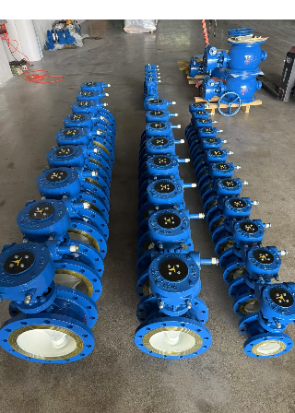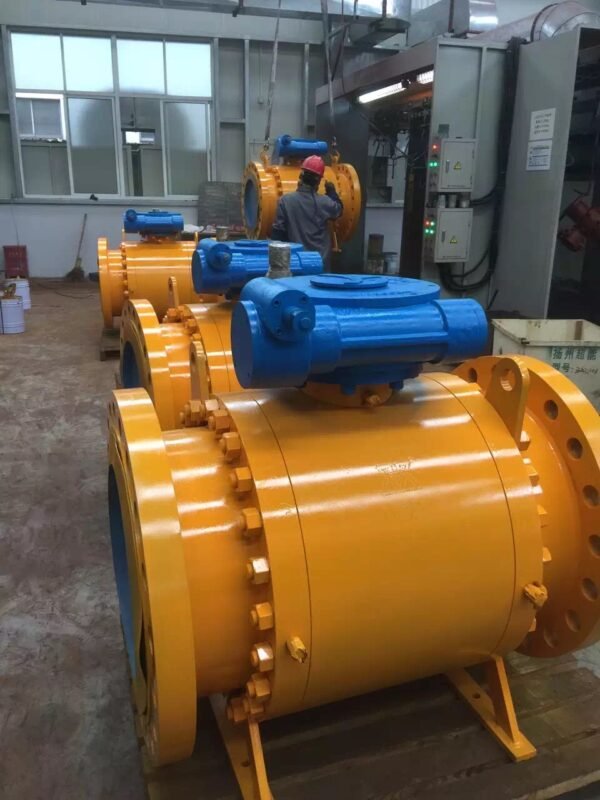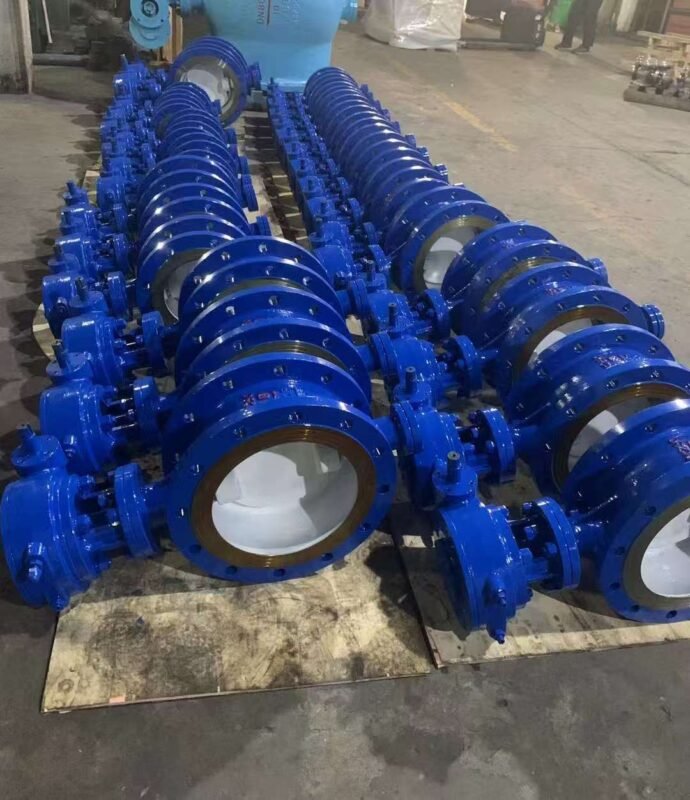

Differences between forged steel valves and cast steel valves
Cast steel structures may have casting defects, so they are mostly suitable for low-pressure working conditions.
How low is the low pressure: generally cast iron is below 1.6mpa; of course cast steel is also used. The medium is also in demand, so it depends on the situation.
How high is the high pressure: The highest pressure in the world can only use forged steel.
Forged steel valves and cast steel valves are mainly due to the casting technology of steel, and the processing methods are different. The main difference between forged steel valves and cast steel valves with the same material is the mechanical strength. Therefore, the application occasions are divided into low pressure and high pressure, but the use functions are the same. Forged steel valves are used in high-pressure conditions, and cast steel valves are used in low-pressure conditions.
Cast steel, steel used for pouring castings. Cast steel refers to a steel casting produced by casting method. Cast steel is a type of casting alloy that is mainly used to make parts with complex shapes that are difficult to cast or cut and require high strength and plasticity. Cast steel is divided into three categories: cast carbon steel, cast low alloy steel and cast special steel.
① Cast carbon steel. Cast steel with carbon as the primary alloying element and rich in a few other elements. Cast low carbon steel contains less than 0.2% carbon, cast medium carbon steel contains 0.2% to 0.5% carbon, and cast high carbon steel contains more than 0.5% carbon. As the carbon content increases, the strength of cast carbon steel increases and the hardness increases. Cast carbon steel has high strength, plasticity and toughness, and low cost. It is used in heavy machinery to manufacture parts that bear large loads, such as rolling mill frames, hydraulic press bases, etc.; in railway vehicles, it is used to manufacture parts that bear large forces and bear impact, such as bolsters, side frames, wheels and couplers.
② Cast low alloy steel. Cast steel rich in manganese, chromium, copper and other alloying elements. The total amount of alloying elements is generally less than 5%, it has greater impact resistance, and can obtain excellent mechanical properties through heat treatment. Casting low alloy steel has better performance than carbon steel, can reduce parts quality and improve service life.
③Casting special steel. There are many varieties of alloy cast steel refined to meet special needs. They are generally rich in one or more high-alloying elements to achieve certain special functions. For example, high manganese steel containing 11% to 14% manganese is resistant to impact wear and is mostly used for wear-resistant parts of mining machinery and engineering machinery; various stainless steels with chromium or chromium-nickel as the main alloy elements are used for parts operating under corrosion or high temperature conditions above 650°C, such as chemical valve bodies, pumps, containers or turbine casings of large-capacity power stations, etc.
Forged steel, simply speaking, is steel used for forging, various forgings and forgings produced by casting methods. The quality of forged steel parts is higher than that of cast steel parts, and it can withstand large impact forces. Its plasticity, toughness and other mechanical properties are also higher than those of steel castings. Therefore, forged steel parts should be used for some important mechanical parts. Forged steel parts are generally used in high-pressure pipelines because of their fine structure.