


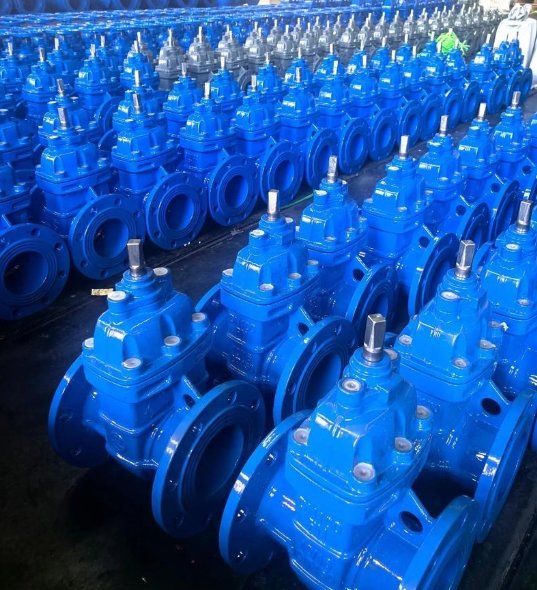
API 600 Van cổng
API 600 là tiêu chuẩn thiết kế và sản xuất van cổng thép được phát triển bởi Viện Dầu khí Hoa Kỳ (API). Được xuất bản lần đầu tiên vào 1949, nó đã được cập nhật lên phiên bản thứ 13. Định vị cốt lõi của API 600 van cổng là: van toàn phần được thiết kế đặc biệt cho các vị trí quan trọng trong đường ống công nghiệp như đường ống dẫn dầu, khí tự nhiên, hóa chất, và nhà máy điện. Chúng chủ yếu được sử dụng để cắt hoặc kết nối môi trường trong đường ống, và đặc biệt thích hợp với các điều kiện khắc nghiệt như nhiệt độ cao và áp suất cao.
Van cổng thường được sử dụng khi cần dòng chất lỏng chảy thẳng và hạn chế dòng chảy tối thiểu. Chúng rất thích hợp với áp suất cao và nhiệt độ cao, và có thể được sử dụng cho nhiều loại chất lỏng. Vì van cổng đối xứng, một trong hai đầu có thể là đầu vào, cho phép dòng chảy đi vào qua một trong hai hướng của van, còn được gọi là hai chiều.
Ưu điểm và tính năng của API 600 Van cổng:
Sức cản chất lỏng thấp và khả năng dòng chảy mạnh: Khi mở hoàn toàn, dòng chất lỏng đi thẳng, dẫn đến sức cản dòng chảy cực thấp và tổn thất năng lượng tối thiểu.
Niêm phong hai chiều để không rò rỉ: Thân van sử dụng thiết kế hình nêm, dựa vào cơ chế tự hàn kín kép bằng áp suất trung bình và bịt kín cưỡng bức bên ngoài để đảm bảo bịt kín khi đóng.
Cấu trúc đáng tin cậy và khả năng chống chịu với điều kiện khắc nghiệt: Tuân thủ nghiêm ngặt API 600 tiêu chuẩn, các yêu cầu nghiêm ngặt được đặt ra đối với các bộ phận chính như độ dày thành thân van, đường kính thân cây, và hiệu suất niêm phong.
Thân cây đang trỗi dậy và trạng thái trực quan: API 600 yêu cầu rõ ràng một thân cây nâng cao và cấu trúc nâng (hệ điều hành&Y). Người vận hành có thể xác định rõ ràng trạng thái đóng hay mở của van bằng cách quan sát vị trí thân van, ngăn ngừa hoạt động sai.
Thiết kế an toàn cháy nổ: API 600 Tiêu chuẩn quy định rõ ràng các yêu cầu an toàn của van trong điều kiện khắc nghiệt như hỏa hoạn, đảm bảo an toàn cháy nổ của van.
Lựa chọn vật liệu linh hoạt và khả năng thích ứng mạnh mẽ: Nhiều loại vật liệu thân van có thể được lựa chọn theo các phương tiện khác nhau, bao gồm cả thép cacbon (WCB), thép không gỉ (CF8/CF8M), thép không gỉ song công (2205), Hastelloy, vân vân. Các tiêu chuẩn có yêu cầu nghiêm ngặt về độ bền ở nhiệt độ thấp và khả năng chống ăn mòn của vật liệu trong điều kiện vận hành khắc nghiệt.
Bảo trì dễ dàng và vận hành thuận tiện: Thiết kế phốt đảo ngược cho phép thay thế và bảo trì các bộ phận dễ bị tổn thương như vòng đệm và miếng đệm mà không cần dừng hệ thống.
Có rất nhiều mẫu mã cho van cổng, bao gồm cả thân tăng và thân không tăng, dao, phiến đá, và mở rộng.
Ứng dụng
Van cổng đúc cung cấp hiệu suất tối ưu trong điều kiện hiệu suất dòng chảy cao, tắt chặt chẽ và dịch vụ lâu dài là cần thiết. Nhiều lựa chọn về vật liệu vỏ và trang trí đáp ứng toàn bộ phạm vi ứng dụng, từ loại dịch vụ không ăn mòn hàng ngày đến dịch vụ quan trọng với phương tiện có tính linh hoạt cao.
Đặc điểm cấu trúc và chức năng
kiểu: nắp ca-pô bắt vít, vít và ách bên ngoài
nêm linh hoạt
thân cây tăng với niêm phong hàng đầu (ghế sau)
khoan đầy đủ
đầu bích
tắt máy: bằng cách xoay tay quay theo chiều kim đồng hồ
vị trí lắp đặt: bất kì
Thi hành
thiết kế cơ bản theo API 600
mặt đối mặt theo ANSI B16.10
mặt bích theo ANSI B16.5
mặt bích: 0,06″ mặt ngẩng lên;
áp lực – xếp hạng nhiệt độ theo ASME B16.34
độ dày thành vỏ theo API 600
thử nghiệm theo API 598
cắt tiêu chuẩn: KHÔNG. 1 niêm phong chính 13% Cr / 13% Cr.
Thị trường mục tiêu cho API 600 van cổng chủ yếu tập trung vào các lĩnh vực sau:
Lĩnh vực ứng dụng | Kịch bản điển hình/Xếp hạng áp lực | Trình điều khiển thị trường
Lọc dầu & Hóa dầu (Thị trường cốt lõi) | Lớp học 300-600 | Tiếp tục mở rộng công suất lọc dầu toàn cầu, với các dự án mới và trang bị thêm thúc đẩy nhu cầu mạnh mẽ về van chất lượng cao.
Truyền khí tự nhiên & Hệ thống đường ống | Lớp học 600-900 | Mạng lưới đường ống khí đốt tự nhiên rộng lớn trên toàn cầu tạo ra nhu cầu lớn về các van ngắt kín để đảm bảo an toàn và bảo vệ môi trường.
Quy trình hóa học & Hóa chất đặc biệt | Lớp học 150-300 | Ngành công nghiệp hóa chất xử lý môi trường ăn mòn, dung dịch axit và kiềm, yêu cầu van có khả năng chống ăn mòn cực cao.
Sản xuất nhiệt điện & Nồi hơi hơi | Lớp học 300-1500 | Nhiệt độ cao, Hệ thống nước cấp nồi hơi và hơi nước áp suất cao trong các nhà máy điện là những ứng dụng quan trọng của van cổng.
Nền tảng ngoài khơi & Đóng tàu | Lớp học 300-600 | Bao gồm các yêu cầu nghiêm ngặt như độ bền mặt bích và khả năng chống va đập của van.
Theo yêu cầu
thiết kế cơ bản khác theo API 6D
vật liệu vỏ khác (Thép cacbon, Thép không gỉ, Monel, song công, Inconel)
trang trí khác
các mặt bích khác theo ANSI B 16.5 hoặc B/W kết thúc ở ANSI B16.25
thân đệm loại khác – ca bô
vòng đèn lồng cho lớp học 300
vòi thoát nước
đường vòng
chỉ báo mở và đóng
vận hành thiết bị truyền động điện
được sản xuất theo tiêu chuẩn NACE MR 0175 cho dịch vụ hydro sunfua và khí chua