
Что такое шаровой кран? Комплексный анализ принципа его работы, классификация, и сценарии применения.
Что такое шаровой кран?
Ball Valve is a valve that uses a sphere with a circular through hole as an opening and closing part. It can open or cut off the fluid by rotating 90°. It came out in the 1950s and quickly became a mainstream product in the field of industrial valves with its excellent sealing performance and ease of operation.
The core component of the ball valve is a ball with a through hole, which rotates around an axis perpendicular to the channel. When the ball through hole is in the same direction as the pipe, the valve opens; when the ball is rotated 90° so that the through hole is perpendicular to the pipe direction, the valve is closed.
Detailed explanation of the working principle of ball valve
Opening process
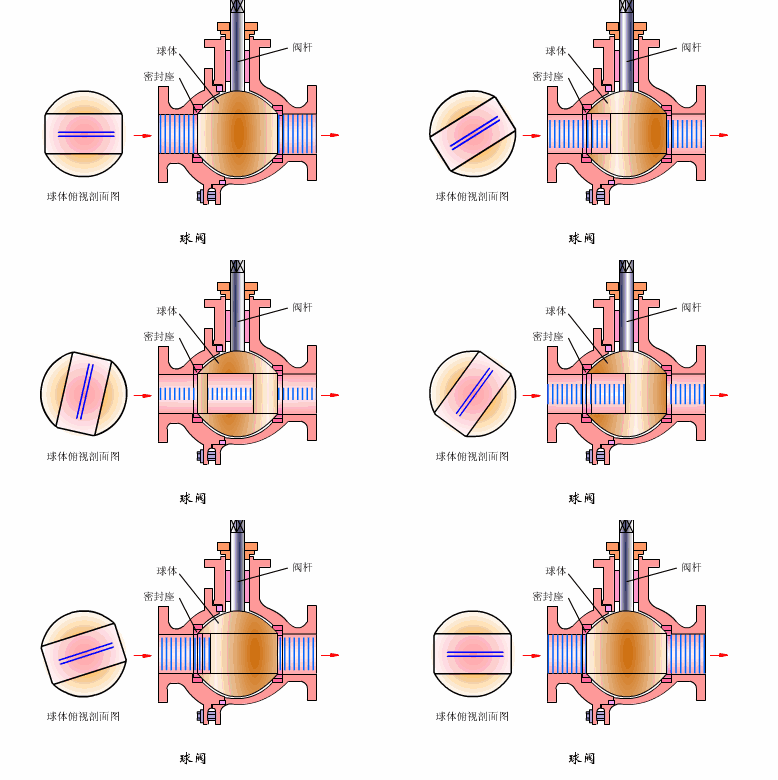
The opening process of the ball valve is a precisely coordinated sequence of mechanical actions. The opening process follows the following steps:
Initial state: In the closed position, the ball is pressed against the valve seat by the mechanical pressure of the valve stem, forming a seal.
Disengage the valve seat: When the handwheel is turned counterclockwise, the valve stem moves in the opposite direction, and the angular plane at the bottom causes the ball to disengage from the valve seat, eliminating friction on the sealing surface.
Frictionless rotation: The valve stem continues to lift, and by interacting with the guide pin in the spiral groove of the valve stem, the ball begins to rotate without friction.
Fully open: the valve stem is lifted to the extreme position, the ball rotates to the fully open position, and the through hole is completely aligned with the direction of the pipe.

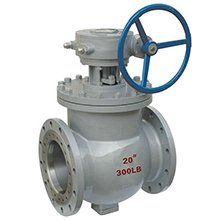
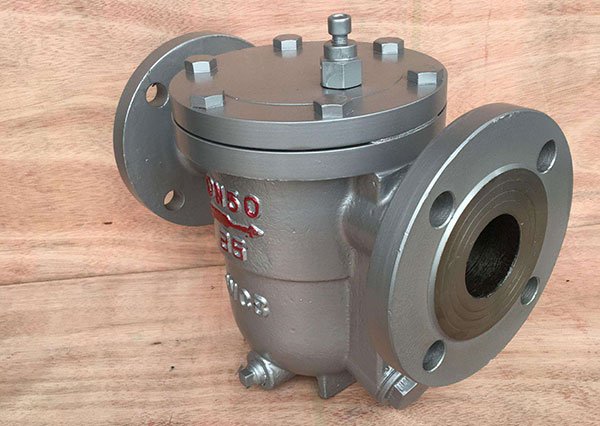
Эксцентриковый полусферический клапан
shutdown process
Closing is the reverse process of opening, which also goes through a precise sequence of actions:
Turn the handwheel clockwise, the valve stem begins to descend and the ball leaves the valve seat and begins to rotate.
Continue to rotate the handwheel, and the valve stem and ball will rotate 90° at the same time.
The ball has rotated 90° without contact with the valve seat and is about to reach the closed position.
In the last few turns of the handwheel, the angular plane at the bottom of the valve stem mechanically wedges against the ball, pressing it tightly against the valve seat to achieve a complete seal.
Unique design features of ball valves
Frictionless design for opening and closing
During the opening and closing process of the ball valve, the ball first breaks out of contact with the valve seat and then rotates, eliminating the problem of traditional valves affecting the sealing life due to sealing surface friction. This design allows the ball valve to maintain excellent sealing performance under frequent operating conditions.
Full bore and reduced bore design
Ball valves can be divided into two designs: full bore and reduced bore:
Full-bore ball valve: The diameter of the ball hole is basically the same as the inner diameter of the pipeline, and the fluid resistance is extremely small. It is suitable for oil and gas pipeline systems that require pigging.
Reduced diameter ball valve: The diameter is one to two specifications smaller than the pipe size, and is suitable for working conditions that do not require high flow resistance.
Sealing surface self-cleaning function
When the ball tilts away from the valve seat, the fluid in the pipeline passes 360° evenly along the ball sealing surface, which not only eliminates the local erosion of the valve seat by high-speed fluid, but also washes away the accumulation on the sealing surface, achieving self-cleaning. This feature makes the ball valve suitable for media containing suspended solid particles.
Main structural types of ball valves
Type Structural Features Applicable Working Conditions
Floating ball valve The ball has no fixed support and is supported by the valve seat. The pressure pushes the ball to the outlet side valve seat for sealing. Medium and low pressure, medium and small diameters
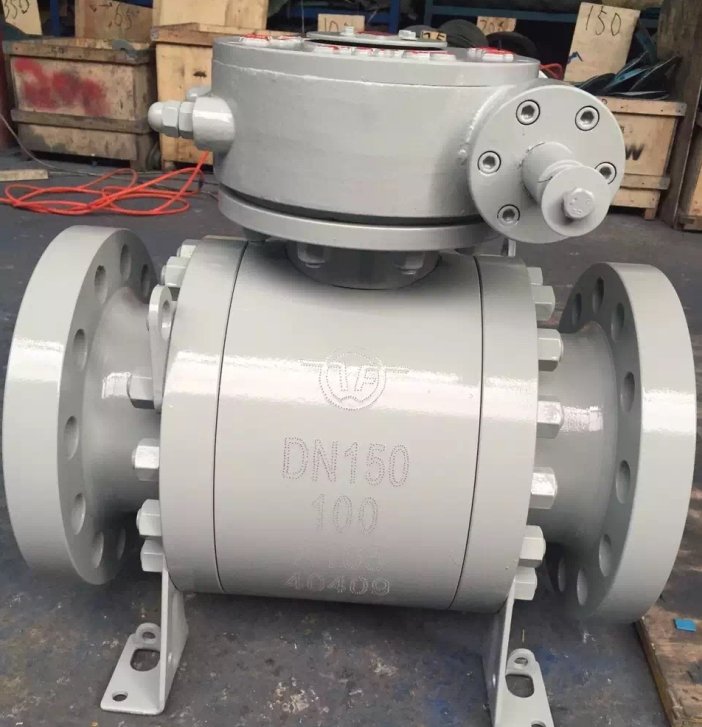
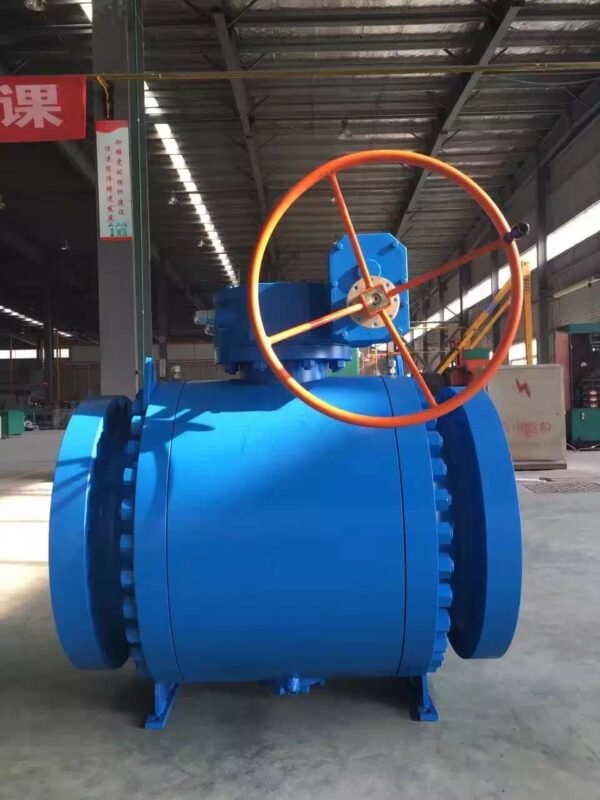
Fixed ball valve The ball is fixed by the upper and lower stems, the valve seat can float, and the operating torque is small. High-pressure, large-diameter pipelines
Elastic ball valve, ball with elastic compensation structure, special working conditions of high temperature and high pressure
Three-way ball valve L-shaped or T-shaped flow channel, can change the flow direction of the medium in diversion and merging conditions
The ball valve body can be of one-piece or combined structure, and the connection methods include threaded connection, flange connection and welding connection.
Significant advantages of ball valves
Small fluid resistance: full-bore ball valves have basically no flow resistance, and the resistance coefficient is equivalent to that of pipelines of the same length.
Reliable sealing: ПТФЭ, nylon and other plastic sealing materials are widely used to achieve complete sealing and are suitable for vacuum systems
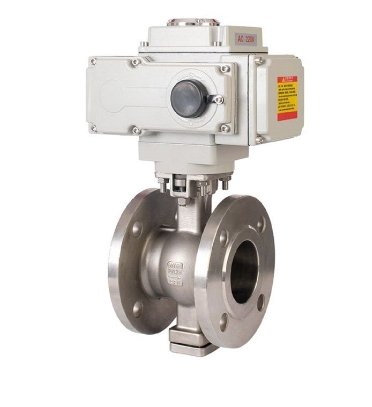
Quick opening and closing: only need to rotate 90° to fully open or fully close, easy to operate and easy to control remotely
Simple structure: маленький размер, легкий вес, movable sealing ring, easy to disassemble and replace
Sealing surface protection: In the fully open or fully closed state, the sealing surfaces of the ball and valve seat are isolated from the medium and are not corroded by the medium.
Wide range of application: diameter from a few millimeters to several meters, pressure from high vacuum to high pressure can be applied
Wiping effect: В процессе открытия и закрытия, the ball and the valve seat have a wiping effect, which can clean up suspended particles.
Limitations of ball valves
Although ball valves are excellent on-off valves, they have limitations in certain applications:
Not suitable for throttling adjustment: The ball valve switches quickly and will produce turbulence when partially opened. Поэтому, it is usually only used for fully open or fully closed switching control conditions and is not suitable for use as a throttle valve.
Possible water hammer: Rapid closure may cause pipeline pressure fluctuations and water hammer effects
Medium retention in the cavity: When closed, part of the medium will be retained in the sphere cavity. Anti-freezing measures (such as adding insulation or pressure relief holes) need to be considered under low-temperature conditions.
Typical applications of ball valves
Ball valves are widely used in petroleum refining, long-distance pipelines, chemical industry, изготовление бумаги, pharmaceuticals, water conservancy, электроэнергия, municipal administration, steel and many other industries. Common application scenarios include:
Cutting off and isolation of piping systems
Pigging channels for long-distance oil and gas pipelines
Working conditions that require quick startup and shutdown
Media conveying with suspended solid particles
Vacuum system
For more technical information on ball valve selection or specific applications, please feel free to contact our engineering team.
Принцип работы шарового крана, ball valve structure, floating ball valve, fixed ball valve, industrial valves, API 6D, valve selection, fluid control, pipeline valves.