

Was ist ein Kugelhahn?? Eine umfassende Analyse seines Funktionsprinzips, Einstufung, und Anwendungsszenarien.
Was ist ein Kugelhahn??
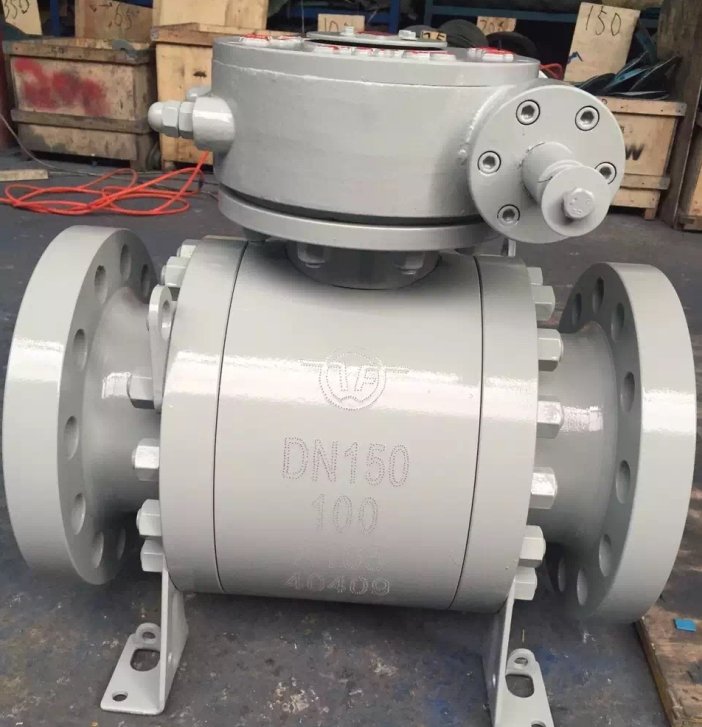
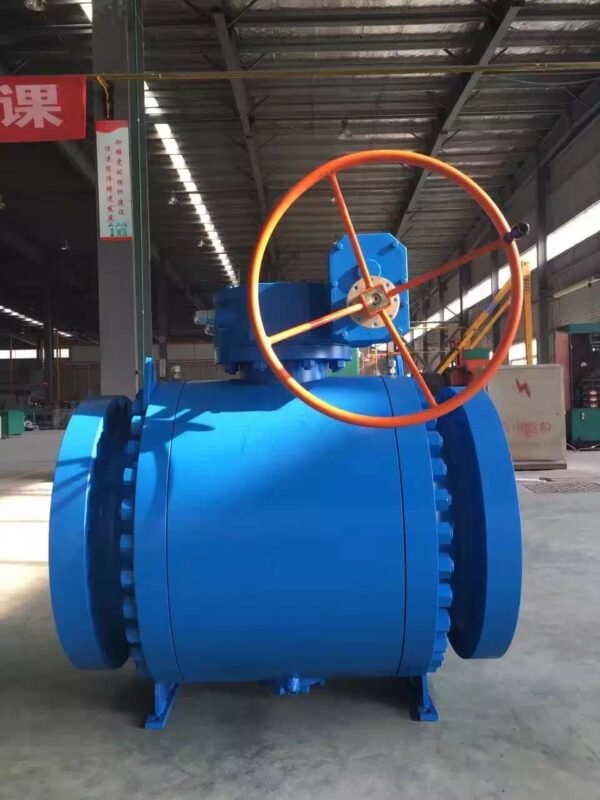
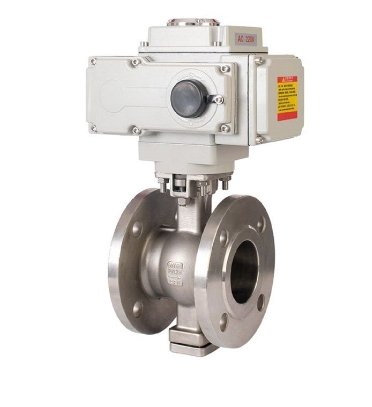
Kugelhahn ist ein Ventil, das eine Kugel mit einem kreisförmigen Durchgangsloch als Öffnungs- und Schließteil verwendet. Durch eine Drehung um 90° kann die Flüssigkeit geöffnet oder abgeschnitten werden. Es kam in den 1950er Jahren auf den Markt und entwickelte sich aufgrund seiner hervorragenden Dichtungsleistung und einfachen Bedienung schnell zu einem Mainstream-Produkt im Bereich der Industrieventile.
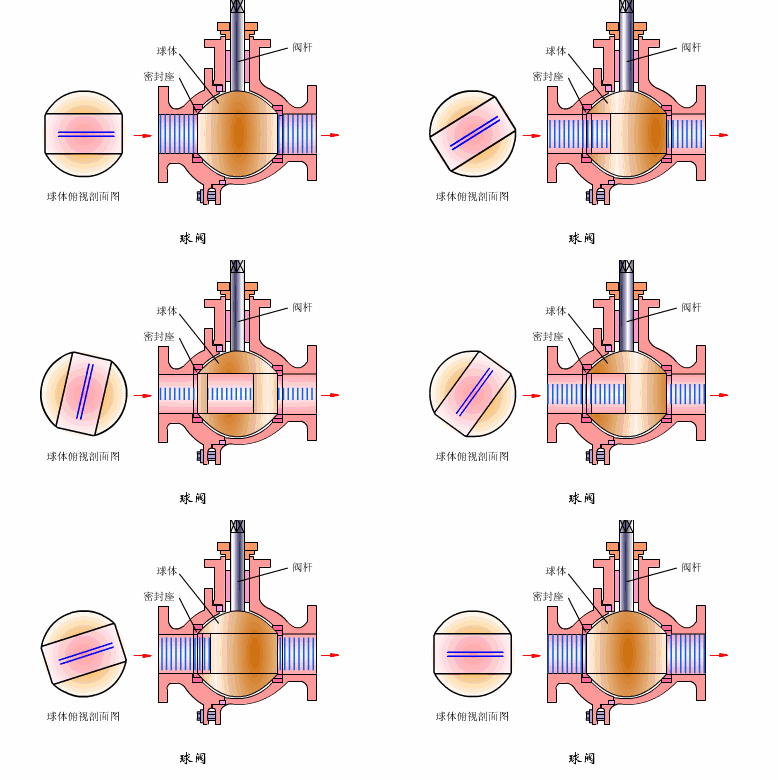
Das Herzstück des Kugelhahns ist eine Kugel mit Durchgangsbohrung, die sich um eine Achse senkrecht zum Kanal dreht. Wenn das Kugeldurchgangsloch in die gleiche Richtung wie das Rohr weist, Das Ventil öffnet sich; wenn die Kugel um 90° gedreht wird, sodass das Durchgangsloch senkrecht zur Rohrrichtung liegt, das Ventil ist geschlossen.
Ausführliche Erläuterung des Funktionsprinzips des Kugelhahns
Eröffnungsprozess
Der Öffnungsvorgang des Kugelhahns ist eine genau koordinierte Abfolge mechanischer Vorgänge. Der Eröffnungsprozess folgt den folgenden Schritten:
Ausgangszustand: In der geschlossenen Position, Durch den mechanischen Druck des Ventilschafts wird die Kugel gegen den Ventilsitz gedrückt, ein Siegel bilden.
Lösen Sie den Ventilsitz: Wenn das Handrad gegen den Uhrzeigersinn gedreht wird, Der Ventilschaft bewegt sich in die entgegengesetzte Richtung, und die schräge Ebene unten bewirkt, dass sich die Kugel vom Ventilsitz löst, Eliminierung der Reibung an der Dichtfläche.
Reibungslose Rotation: Der Ventilschaft hebt sich weiter, und durch Zusammenwirken mit dem Führungsstift in der Spiralnut des Ventilschafts, Die Kugel beginnt sich ohne Reibung zu drehen.
Vollständig geöffnet: Der Ventilschaft wird in die äußerste Position angehoben, Die Kugel dreht sich in die vollständig geöffnete Position, und das Durchgangsloch ist vollständig mit der Rohrrichtung ausgerichtet.

Exzentrisches halbkugelförmiges Ventil
Abschaltvorgang
Das Schließen ist der umgekehrte Vorgang des Öffnens, das auch eine genaue Abfolge von Aktionen durchläuft:
Drehen Sie das Handrad im Uhrzeigersinn, Der Ventilschaft beginnt sich abzusenken, die Kugel verlässt den Ventilsitz und beginnt sich zu drehen.
Drehen Sie das Handrad weiter, und der Ventilschaft und die Kugel drehen sich gleichzeitig um 90°.
Die Kugel hat sich ohne Kontakt zum Ventilsitz um 90° gedreht und ist dabei, die geschlossene Position zu erreichen.
In den letzten paar Umdrehungen des Handrads, Die Winkelebene an der Unterseite des Ventilschafts verkeilt sich mechanisch gegen die Kugel, Drücken Sie es fest gegen den Ventilsitz, um eine vollständige Abdichtung zu erreichen.
Einzigartige Designmerkmale von Kugelhähnen
Reibungsloses Design zum Öffnen und Schließen
Beim Öffnungs- und Schließvorgang des Kugelhahns, Die Kugel löst sich zunächst vom Kontakt zum Ventilsitz und dreht sich dann, Beseitigt das Problem, dass herkömmliche Ventile die Dichtungslebensdauer aufgrund der Reibung der Dichtungsoberfläche beeinträchtigen. Durch diese Konstruktion behält der Kugelhahn auch unter häufigen Betriebsbedingungen eine hervorragende Dichtleistung bei.
Ausführung mit vollem Durchgang und reduziertem Durchgang
Kugelhähne können in zwei Bauformen unterteilt werden: Voller Durchgang und reduzierter Durchgang:
Kugelhahn mit vollem Durchgang: Der Durchmesser des Kugellochs entspricht grundsätzlich dem Innendurchmesser der Rohrleitung, und der Flüssigkeitswiderstand ist extrem gering. Es eignet sich für Öl- und Gaspipelinesysteme, die Molcharbeiten erfordern.
Kugelhahn mit reduziertem Durchmesser: Der Durchmesser ist ein bis zwei Spezifikationen kleiner als die Rohrgröße, und eignet sich für Arbeitsbedingungen, die keinen hohen Strömungswiderstand erfordern.
Selbstreinigungsfunktion der Dichtfläche
Wenn die Kugel vom Ventilsitz wegkippt, Die Flüssigkeit in der Rohrleitung strömt 360° gleichmäßig entlang der Kugeldichtfläche, Dadurch wird nicht nur die lokale Erosion des Ventilsitzes durch Hochgeschwindigkeitsflüssigkeit verhindert, sondern wäscht auch die Ablagerungen auf der Dichtfläche weg, Selbstreinigung erreichen. Durch diese Eigenschaft eignet sich der Kugelhahn für Medien mit suspendierten Feststoffpartikeln.
Hauptbauarten von Kugelhähnen
Typ Strukturmerkmale Anwendbare Arbeitsbedingungen
Schwimmender Kugelhahn Die Kugel hat keine feste Halterung und wird vom Ventilsitz getragen. Der Druck drückt die Kugel zur Abdichtung an den auslassseitigen Ventilsitz. Mittlerer und niedriger Druck, mittlere und kleine Durchmesser
Fester Kugelhahn. Die Kugel wird durch den oberen und unteren Schaft fixiert, Der Ventilsitz kann schwimmen, und das Betriebsdrehmoment ist klein. Hochdruck, Rohrleitungen mit großem Durchmesser
Elastischer Kugelhahn, Ball mit elastischer Ausgleichsstruktur, Besondere Arbeitsbedingungen bei hoher Temperatur und hohem Druck
Dreiwege-Kugelhahn mit L-förmigem oder T-förmigem Strömungskanal, kann die Strömungsrichtung des Mediums unter Umleitungs- und Zusammenführungsbedingungen ändern
Der Kugelhahnkörper kann einteilig oder kombiniert aufgebaut sein, und die Verbindungsmethoden umfassen eine Gewindeverbindung, Flanschverbindung und Schweißverbindung.
Wesentliche Vorteile von Kugelhähnen
Geringer Flüssigkeitswiderstand: Kugelhähne mit vollem Durchgang haben grundsätzlich keinen Strömungswiderstand, und der Widerstandskoeffizient entspricht dem von Rohrleitungen gleicher Länge.
Zuverlässige Abdichtung: PTFE, Nylon und andere Kunststoffdichtungsmaterialien werden häufig verwendet, um eine vollständige Abdichtung zu erreichen, und sind für Vakuumsysteme geeignet
Schnelles Öffnen und Schließen: Es muss nur um 90° gedreht werden, um es vollständig zu öffnen oder zu schließen, einfach zu bedienen und einfach fernzusteuern
Einfache Struktur: kleine Größe, geringes Gewicht, beweglicher Dichtungsring, leicht zu zerlegen und auszutauschen
Dichtflächenschutz: Im vollständig geöffneten oder vollständig geschlossenen Zustand, Die Dichtflächen von Kugel und Ventilsitz sind vom Medium isoliert und werden durch das Medium nicht korrodiert.
Breites Anwendungsspektrum: Durchmesser von wenigen Millimetern bis zu mehreren Metern, Es kann ein Druck von Hochvakuum bis Hochdruck angewendet werden
Wischeffekt: Während des Öffnungs- und Schließvorgangs, Die Kugel und der Ventilsitz wirken abstreifend, die suspendierte Partikel reinigen kann.
Einschränkungen von Kugelhähnen
Obwohl Kugelhähne ausgezeichnete Auf-Zu-Ventile sind, Sie unterliegen in bestimmten Anwendungen Einschränkungen:
Nicht zur Drosselverstellung geeignet: Der Kugelhahn schaltet schnell und erzeugt bei teilweiser Öffnung Turbulenzen. daher, Es wird normalerweise nur für vollständig geöffnete oder vollständig geschlossene Schaltzustände verwendet und ist nicht für den Einsatz als Drosselventil geeignet.
Möglicher Wasserschlag: Ein schnelles Schließen kann zu Druckschwankungen in der Rohrleitung und zu Wasserschlägen führen
Mittlere Retention in der Kavität: Im geschlossenen Zustand, Ein Teil des Mediums wird im Kugelhohlraum zurückgehalten. Frostschutzmaßnahmen (wie das Hinzufügen von Isolierung oder Druckentlastungslöchern) müssen bei niedrigen Temperaturen berücksichtigt werden.
Typische Anwendungen von Kugelhähnen
Kugelhähne werden häufig in der Erdölraffinierung eingesetzt, Fernleitungen, chemische Industrie, Papierherstellung, Arzneimittel, Wasserschutz, elektrische Energie, Gemeindeverwaltung, Stahl und viele andere Branchen. Zu den gängigen Anwendungsszenarien gehören:
Absperren und Isolieren von Rohrleitungssystemen
Molchkanäle für Öl- und Gasfernleitungen
Arbeitsbedingungen, die ein schnelles Starten und Herunterfahren erfordern
Medienförderung mit suspendierten Feststoffpartikeln
Vakuumsystem
Weitere technische Informationen zur Auswahl von Kugelhähnen oder zu bestimmten Anwendungen finden Sie hier, Bitte kontaktieren Sie unser Engineering-Team.
Funktionsprinzip des Kugelhahns, Kugelventilstruktur, schwimmender Kugelhahn, fester Kugelhahn, Industrieventile, API 6D, Ventilauswahl, Flüssigkeitskontrolle, Rohrleitungsventile.