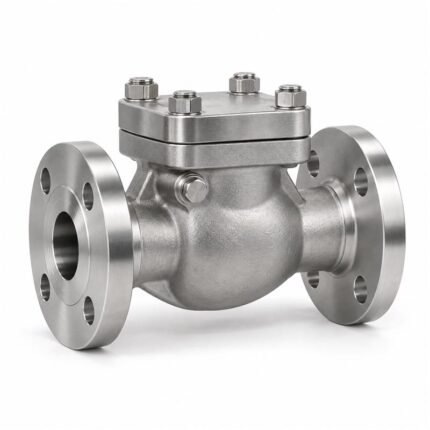
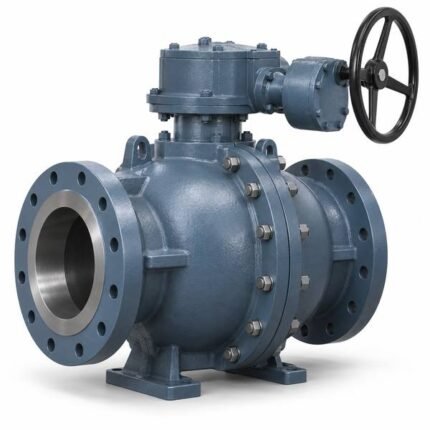
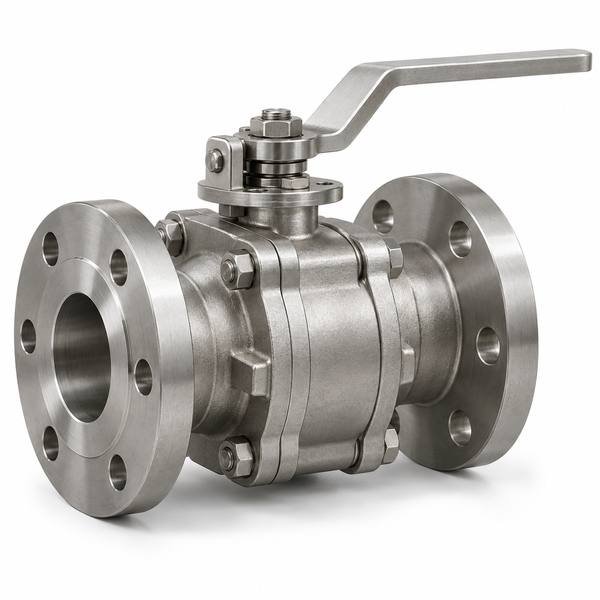
Product Overview
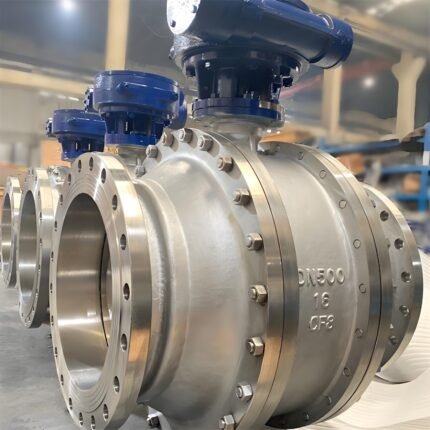
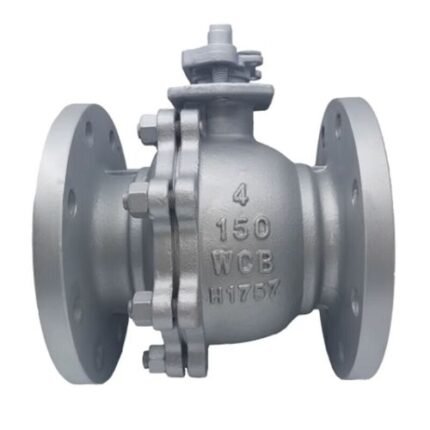
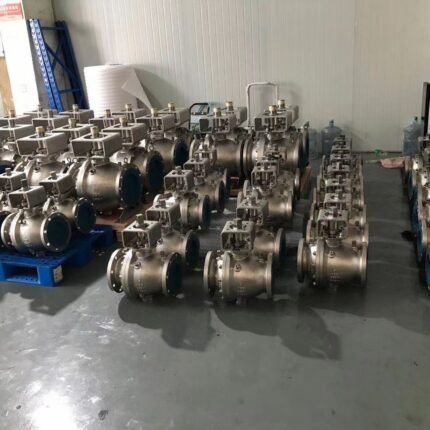
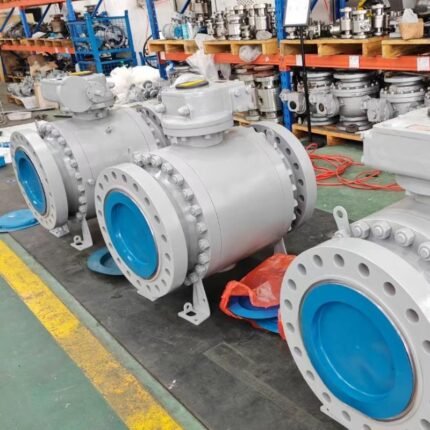
The KOZO F53 Super Duplex Floating Ball Valve is designed for seawater, offshore, desalination and other corrosive process services where a high-strength super duplex stainless steel body is required. The product family covers floating-ball configurations in multiple ASME pressure classes with end connections and seat systems selected to suit the project specification.
Because the ball in a floating-ball valve is not mechanically supported by trunnions, line pressure helps force the ball against the downstream seat. This compact design is widely used in small- and medium-bore isolation service where simplicity, maintainability and reliable shut-off are important.
Why F53 Super Duplex Stainless Steel?
ASTM A182 F53 is a forged super duplex stainless steel grade associated with UNS S32750 material. Super duplex alloys combine high mechanical strength with resistance to pitting, crevice corrosion and chloride stress-corrosion cracking in many aggressive environments. They are widely considered for offshore, marine, desalination and chemical applications where conventional stainless steels may not provide sufficient margin.
Final material suitability still depends on actual chloride concentration, θερμοκρασία, πίεση, velocity, fabrication quality and process chemistry.
Key Design Features
- Floating-ball construction: Compact quarter-turn isolation design for small and medium valve sizes.
- ASTM A182 F53 body: Super duplex forged construction for demanding chloride-containing and corrosive services.
- Multiple pressure classes: Product family available in Class 150, 300 και 600 reference ranges.
- Flexible seat selection: Soft or metal seat systems can be reviewed according to medium, pressure and temperature.
- Manual or automated operation: Lever, gear, pneumatic or electric actuation can be selected according to valve torque and control requirements.
Technical Specifications
| Τύπος βαλβίδας | Floating Ball Valve |
|---|---|
| Εύρος Μεγεθών | 1/2 in – 8 in |
| Pressure Classes | ASME Class 150 / 300 / 600 |
| Υλικό σώματος | ASTM A182 F53 Super Duplex Stainless Steel |
| Design Standard | API 6D / project specification as applicable |
| Face-to-Face | ASME B16.10 where applicable |
| Seat | Selected according to service |
| End Connection | Φλάντζα / welded options according to configuration |
| Κίνηση | Manual or automated options |
| Typical Service | Seawater, offshore and corrosive process fluids |
Typical Applications
- Seawater handling systems
- Offshore and marine process piping
- Desalination plants
- Produced-water and utility service
- Chemical processing involving chloride-containing media
Configuration Options
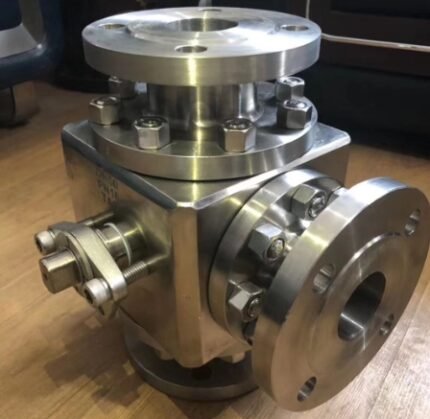
Seat material, trim metallurgy, end connection and actuation should be selected according to the actual service conditions. Available configurations may include RF/RTJ flanged connections, welded ends, soft seats or metal seats, and manual or automated operators.
Selection Notes
Super duplex does not make a valve universally suitable for every seawater or chloride environment. Θερμοκρασία, chloride concentration, oxygen content, flow velocity and galvanic interactions should all be considered. A complete material compatibility review is recommended for severe service.
How to Specify This Valve
Please provide size, pressure class, process medium, chloride level if relevant, design pressure, design temperature, seat requirement, connection type, actuation method, project standards and quantity.
FAQ
What is the difference between F53 and standard 316 ανοξείδωτο χάλυβα?
F53 super duplex generally offers higher strength and improved resistance to localized chloride corrosion compared with conventional 316 ανοξείδωτο χάλυβα, but actual performance depends on the complete service conditions.
Can the valve be supplied with pneumatic actuation?
Ναί. Pneumatic and electric actuation can be considered where remote operation or automated isolation is required.
Can the valve be supplied with metal seats?
Ναί, subject to the selected design. Soft- and metal-seat arrangements should be matched to the operating temperature, pressure and media.