

Product Overview
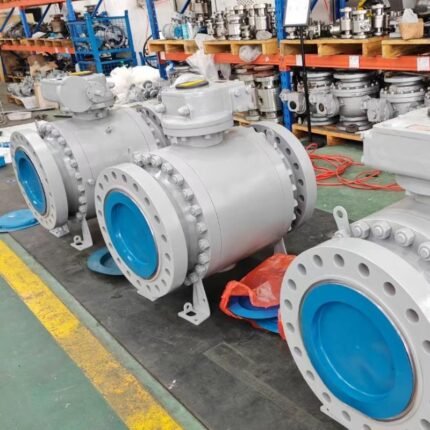
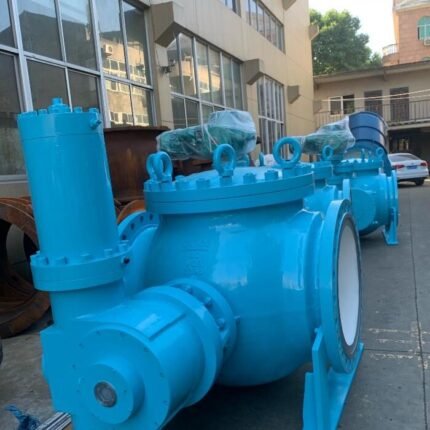
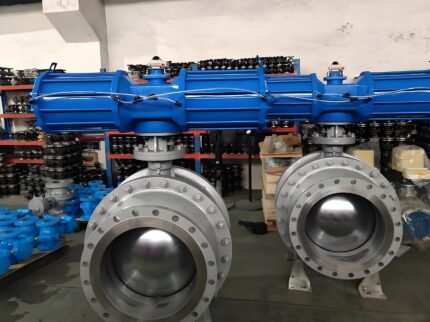
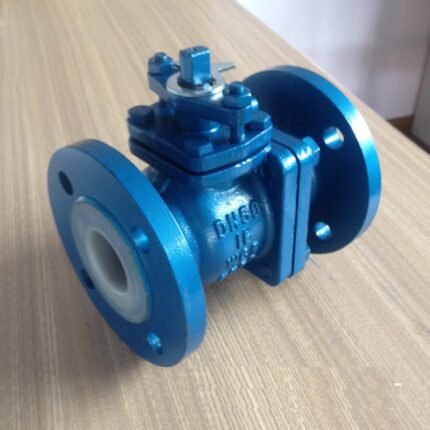
The KOZO UNS N08825 Alloy 825 فصل 900 Trunnion Ball Valve is designed for corrosive high-pressure process service where a nickel-iron-chromium alloy body and stable trunnion-mounted ball support are required. The reference configuration uses Alloy 825 / UNS N08825, a PEEK seat, RTJ ends and a split-body construction.
The trunnion-mounted design mechanically supports the ball and helps control seat loading under pressure. This is particularly useful in high-pressure isolation service where operating torque, sealing stability and maintainability are important.
Why Alloy 825 / UNS N08825?
Alloy 825 is a nickel-iron-chromium alloy containing molybdenum, copper and titanium. It is used in a range of corrosive chemical, oil and gas, acid-handling and chloride-containing environments where stronger corrosion resistance is required than conventional stainless steel can provide. Actual material suitability must still be checked against concentration, درجة حرارة, pressure and the complete valve metallurgy.
Key Design Features
- Trunnion-mounted ball: Supports the ball independently of the seats and helps maintain controlled operating torque under high differential pressure.
- UNS N08825 body material: Selected for demanding corrosive process environments.
- PEEK seat: Reference configuration for elevated mechanical and thermal duty compared with conventional polymer seats.
- RTJ end connection: Suitable for high-pressure piping arrangements where ring-type joint flanges are specified.
- Split-body construction: Supports practical internal assembly and maintenance.
- Project-specific trim: Ball, stem, seat inserts and secondary sealing materials can be tailored to the process medium.
Technical Specifications
| Valve Type | Trunnion Mounted Ball Valve |
|---|---|
| Reference Size | 2 in × 1/2 in |
| تصنيف الضغط | ASME Class 900 |
| Body Material | UNS N08825 Alloy 825 |
| Seat | PEEK, reference configuration |
| End Connection | RTJ |
| Body Construction | Split Body |
| Design Standard | API 6D |
| Face-to-Face | أسم B16.10 |
| Inspection & Testing | واجهة برمجة التطبيقات 598 |
| Reference Temperature | -45°C to +200°C for the reference configuration |
| Typical Service | Corrosive high-pressure process fluids |
Typical Applications
- Chemical processing
- Oil and gas production and recovery
- Acid-handling systems
- Chloride-containing process service
- High-pressure corrosive isolation duties
Configuration Options
The stated Class 900 configuration is a reference design. Alternative sizes, ratings, seat materials, trim materials, end connections and actuator arrangements can be reviewed to suit the project specification.
Selection Notes
For Alloy 825 valves, material selection should be based on the complete process chemistry rather than alloy name alone. Temperature, concentration, ضغط, chloride level, reducing/oxidizing conditions and possible galvanic interactions should all be considered.
المعايير المعمول بها
- API 6D – reference valve design standard
- أسم B16.10 – face-to-face dimensions
- واجهة برمجة التطبيقات 598 – inspection and pressure testing
How to Specify This Valve
Please provide valve size, pressure class, body/trim alloy, seat material, end connection, operating medium, design pressure, design temperature, required actuation, standards and quantity.
التعليمات
Is Alloy 825 suitable for acid service?
Alloy 825 is used in a number of acid-handling and corrosive process applications, but actual suitability depends on acid type, concentration, temperature and pressure. A material compatibility review is recommended before final selection.
Why use an RTJ connection?
RTJ flanges are commonly specified in higher-pressure piping systems where a metal ring gasket and dedicated flange groove are required by the piping design.
Can other seat materials be supplied?
نعم. PEEK is the reference seat for this configuration, but alternative seat systems can be reviewed according to medium, pressure and temperature.