

Product Overview
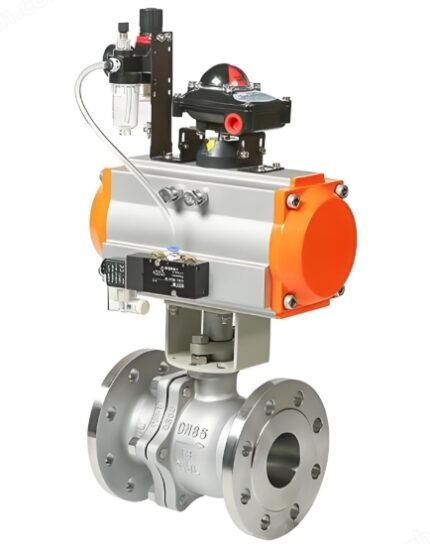
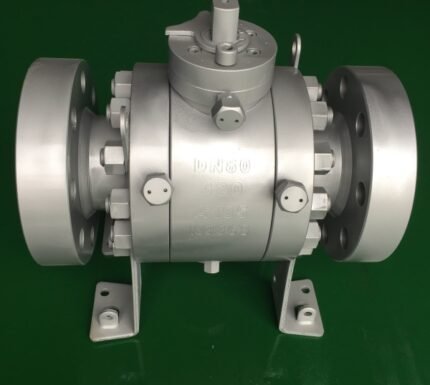
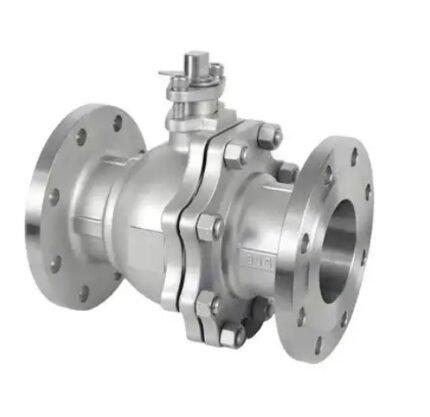
The KOZO Cryogenic Double-Ball DBB Valve is designed for LNG and other low-temperature process systems where two independent isolation barriers and an intermediate bleed function are required. The double-ball arrangement provides two shut-off elements in one valve body, while an extended bonnet helps keep stem sealing components away from the coldest process zone.
Key Design Features
- Double-ball DBB arrangement: Two independent ball elements with an intermediate cavity for bleed, verification or pressure release.
- Extended bonnet: Raises the stem-sealing area away from the cryogenic process zone.
- CF8M reference body: Stainless-steel construction for low-temperature service.
- Seat options: PCTFE, reinforced PTFE or metal-seat arrangements according to service.
- Flanged or butt-weld ends: Connection options for LNG and process piping.
Technical Specifications
| Loại van | Cryogenic Double-Ball DBB Valve |
|---|---|
| Reference Body Material | ASTM A351 CF8M |
| Pressure Classes | ASME Class 150 / 300 / 600 |
| Reference Minimum Temperature | Down to -196°C for validated cryogenic configurations |
| Seat Options | PCTFE / Reinforced PTFE / Ghế kim loại |
| Bonnet | Extended Cryogenic Bonnet |
| End Connection | mặt bích / Mối hàn mông |
| Typical Media | LNG, LN2, LAr, LO2, LCO2 and compatible cryogenic fluids |
Typical Applications
- LNG storage and transfer
- Air-separation units
- Liquid nitrogen and argon systems
- Cryogenic terminals and loading systems
- Low-temperature chemical process piping
Selection Notes
Cryogenic suitability depends on the complete valve design, including body and trim metallurgy, stem extension, seat system, packing, bolting and cryogenic testing. Low-temperature capability should be confirmed for the supplied configuration rather than inferred from body material alone.
How to Specify This Valve
Please provide size, pressure class, fluid, design temperature, end connection, seat requirement, bleed arrangement, actuation, testing/certification requirements and quantity.
FAQ
What does DBB mean?
Double Block and Bleed provides two isolation barriers with a cavity between them that can be vented, bled or monitored.
Why is an extended bonnet used for cryogenic service?
It helps keep stem packing and actuator interfaces farther from the cold process zone, reducing the thermal effect on sealing components.