
Product Overview
The KOZO F91 Pressure Seal Butt-Weld Gate Valve is designed for high-pressure and elevated-temperature steam, power and process piping where chromium-molybdenum-vanadium alloy steel and pressure-seal construction are required. The gate provides straight-through isolation with low pressure drop when fully open.
Why F91 Alloy Steel?
F91 is a high-strength ferritic alloy steel used in demanding power-generation and high-temperature process applications. Its creep strength makes it suitable for services where standard carbon steel or lower-alloy materials may not provide adequate long-term performance. Final design limits depend on pressure class, heat treatment, weld procedure, trim, bolting and the applicable piping code.
Key Design Features
- Pressure-seal bonnet: Closure joint is energized by internal pressure for high-pressure service.
- Butt-weld ends: Supports welded integration into high-pressure piping systems.
- Wedge gate: Straight-through isolation with low flow resistance when fully open.
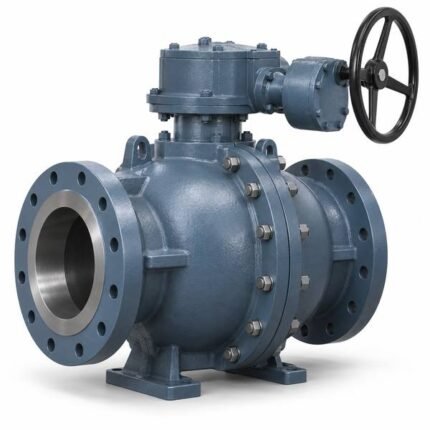
- Bevel-gear operation: Provides controlled manual operation for larger sizes or higher torque.
- F91 alloy-steel body: Reference material for high-temperature, high-pressure applications.
Technical Specifications
| Тип клапана | Pressure Seal Gate Valve |
|---|---|
| Size Range | 2 in – 36 in |
| Pressure Classes | ASME Class 150 – 2500 |
| Материал корпуса | F91 Alloy Steel |
| End Connection | Butt Weld |
| Operation | Bevel Gear |
| Стандарт дизайна | API 600 / ASME B16.34 |
| Face-to-Face | ASME B16.10 |
| Butt-Weld Ends | ASME B16.25 |
| Inspection & Testing | API 598 |
Typical Applications
- Power-generation steam lines
- High-pressure utility systems
- Refinery and petrochemical service
- Boiler and superheated-steam systems
- High-temperature process isolation
Selection Notes
The operating-temperature limit should be determined from the complete valve design, pressure class, trim, packing, bolting and applicable code rather than from F91 material capability alone. Welding procedure and post-weld heat treatment requirements should also be reviewed for butt-weld installations.
Available Configurations
Size, pressure class, trim, bypass arrangement, operator and testing requirements can be selected to suit the project specification.
How to Specify This Valve
Please provide size, pressure class, design pressure, design temperature, piping material, weld-end preparation, medium, trim, operator and applicable project standards.
FAQ
Why use a pressure-seal bonnet?
Pressure-seal construction is widely used in high-pressure service because internal pressure increases the sealing load of the bonnet joint.
Why use butt-weld ends?
Butt-weld connections reduce the number of flanged joints and are commonly specified in high-pressure, high-temperature piping systems.