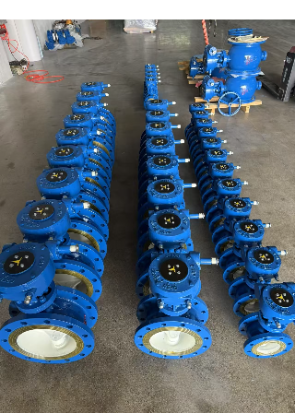

Features and working principle of soft-seal ball valve
The advantages of soft-seal ball valves are: they have good sealing performance, which can effectively prevent leakage; they have a simple structure, which makes installation and maintenance convenient; they are flexible in operation and can be remotely controlled; and they have low flow loss, which can effectively improve system efficiency.
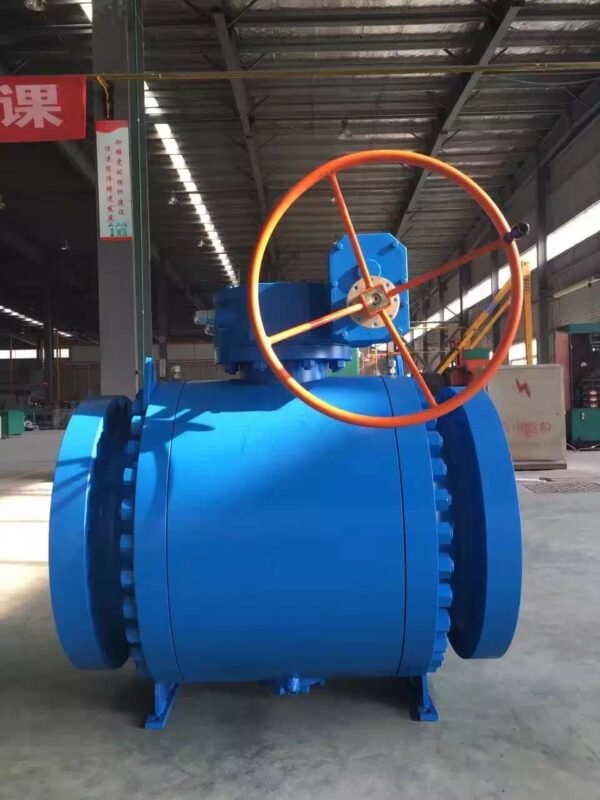
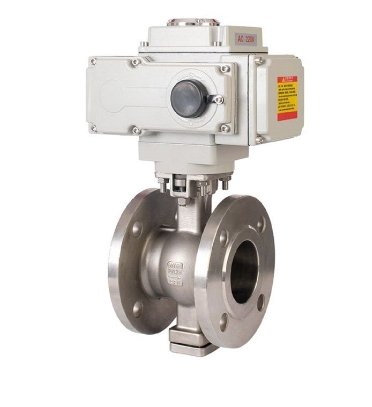
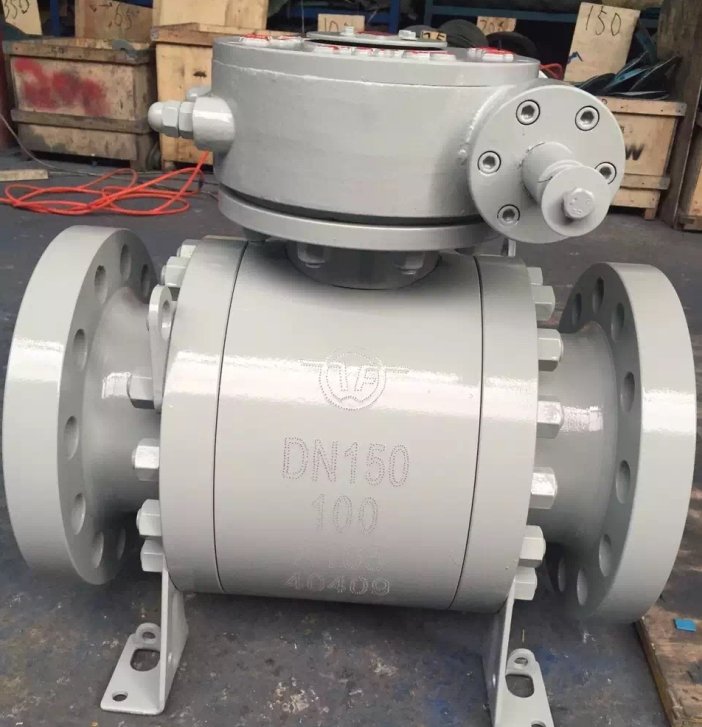
A soft-seal ball valve is a commonly used control valve, consisting of a ball, valve body, valve stem, soft seal, and handwheel. The ball is fixed by the valve body and valve stem, and a handwheel is mounted on the valve stem. The handwheel drives the ball to rotate via the valve stem, thus controlling the opening and closing of the valve. The soft seal is formed by the space between the valve body and valve stem. When the valve stem rotates, the soft seal changes shape, thereby achieving a sealing effect.
Principle of a Soft-Seal Ball Valve: The working principle of a soft-seal ball valve is that when the valve stem rotates, the ball also rotates, thus changing the open and closed state of the valve. When the valve stem rotates, the soft seal also changes shape, thus achieving a sealing effect.
Features of a Soft-Seal Ball Valve:
1. Excellent sealing performance, effectively preventing leakage;
2. Excellent corrosion resistance, effectively preventing corrosion;
3. Excellent operability, effectively improving work efficiency;
4. Excellent maintainability, effectively reducing maintenance costs.
Structure of a Soft-Seal Ball Valve: A soft-seal ball valve consists of a ball, valve body, valve stem, soft seal, and handwheel. The ball is fixed by the valve body and valve stem. A handwheel is mounted on the valve stem, which drives the ball to rotate, thereby controlling the opening and closing of the valve. The soft seal is formed by the space between the valve body and valve stem. When the valve stem rotates, the soft seal changes shape, thus achieving a sealing effect.
Standards for Soft-Seal Ball Valves: The main standards for soft-seal ball valves include: GB/T 12237-2005 “Ball Valves for Petroleum and Chemical Industries”, GB/T 12238-2005 “Butterfly Valves for Petroleum and Chemical Industries”, GB/T 12239-2005 “Check Valves for Petroleum and Chemical Industries”, and GB/T 12240-2005 “Gate Valves for Petroleum and Chemical Industries”, dll..
Soft-seal ball valves have a wide range of applications. They can be used in industries such as petroleum, kimia, thermal, power, metalurgi, mining, perlindungan lingkungan, and water treatment to control parameters such as flow rate, tekanan, and temperature of various media.
In short, soft-seal ball valves are efficient, reliable, and simple in structure. Their wide range of applications meets the needs of various industries, making them a very useful control valve.