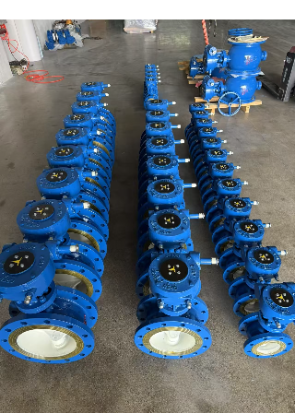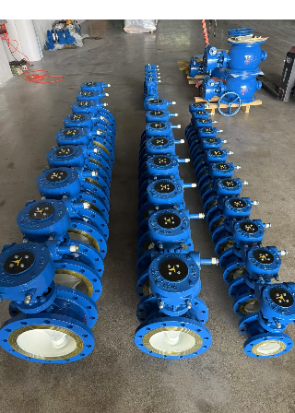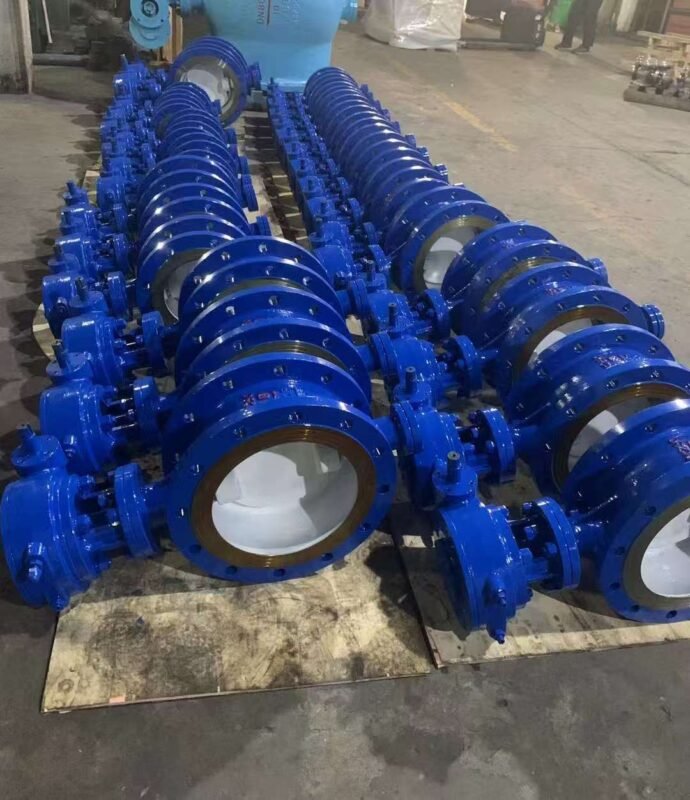

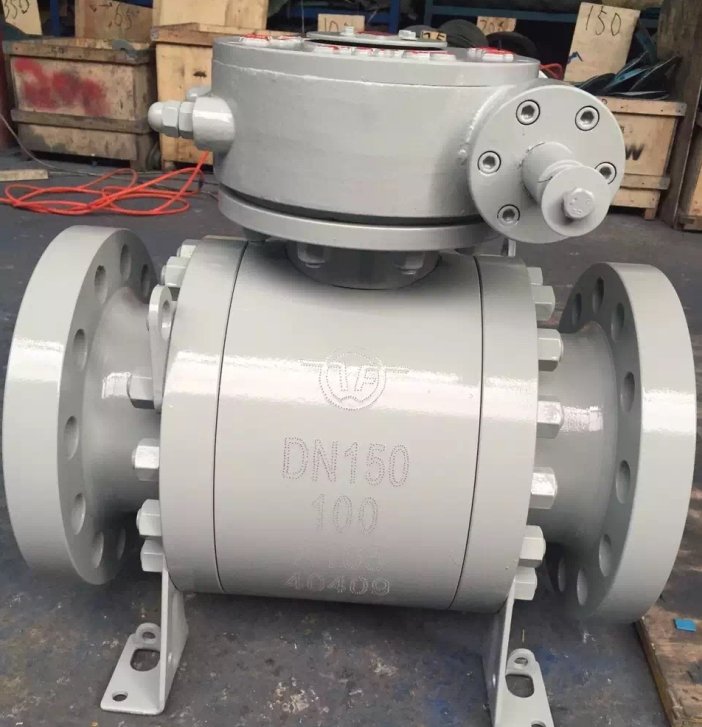
The difference between stationary ball valves and floating ball valves
I. Floating Ball Valve
The ball in a floating ball valve floats. Under the pressure of the medium, the ball can generate a certain displacement and press tightly against the sealing surface at the outlet end, ensuring a seal at the outlet end. Floating ball valves are small in size, lightweight, simple in structure, and have good sealing performance. However, the entire load of the working medium on the ball is transferred to the outlet sealing ring; therefore, it is necessary to consider whether the sealing ring material can withstand the working load of the medium on the ball. This structure is widely used in medium and low-pressure ball valves.
Floating Ball Valve Features and Performance:
** **Small size, poids léger, simple structure, and free-floating ball ensure good sealing.** The ball valve uses a ball with a circular through-hole as the opening and closing element. Driven by the valve stem, the ball rotates 0-90 degrees around the center of the valve stem to complete the opening and closing function. It features a compact structure and rapid opening and closing; a 90-degree rotation is enough to close the valve and cut off the pipeline medium. The diameter of the ball passage is the same as the pipeline diameter, resulting in low flow resistance and high flow capacity. The valve stem is bottom-mounted, preventing accidents caused by the valve stem protruding and ensuring safe use.**
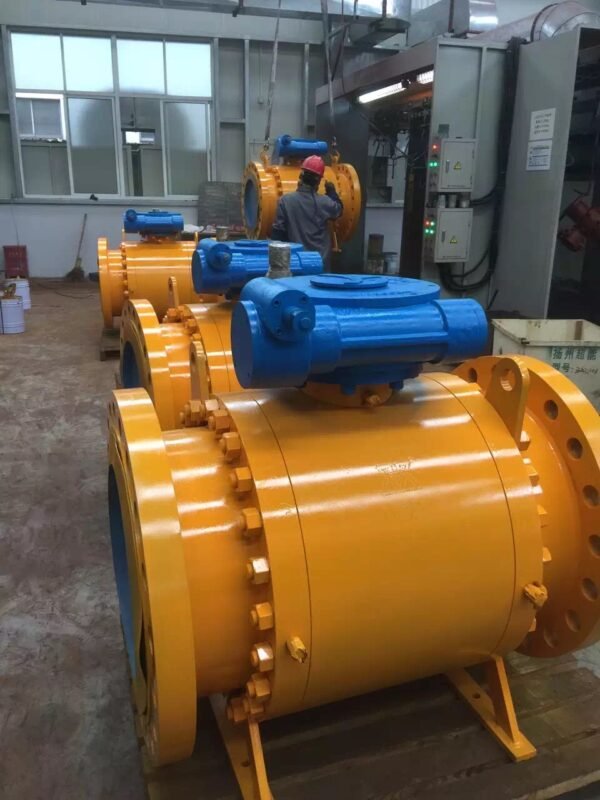
**Fixed Ball Valve:** The ball in a fixed ball valve is stationary and does not move under pressure. Fixed ball valves all have a floating seat. Under the pressure of the medium, the seat moves, pressing the sealing ring tightly against the ball to ensure a seal. Bearings are usually installed on the upper and lower shafts of the ball, resulting in low operating torque, suitable for high-pressure and large-diameter valves.
**Robinet à boisseau sphérique fixe:** Features and Performance of Fixed Ball Valves
Fixed ball valves are suitable for various medium and high-pressure pipelines, used to cut off or connect the medium in the pipeline. Different materials can be selected to suit various media such as water, vapeur, huile, liquefied gas, natural gas, coal gas, nitric acid, acetic acid, oxidizing media, and urea. They are widely used in petrochemical, power, and water conservancy industries. Common actuation methods for fixed ball valves are worm gear drive, manuel, électrique, and pneumatic. Most fixed ball valves are flanged, but welded versions also exist.
In simple terms: the main differences between fixed ball valves and floating ball valves are:
a. Floating ball valve – The valve core ball rotates freely between two valve seat sealing rings via the valve stem.
b. Fixed ball valve – The valve core ball is connected to the valve stem and rotates around the valve stem center; it is a ball valve with a floating ball and a flexible movable sleeve valve seat.