
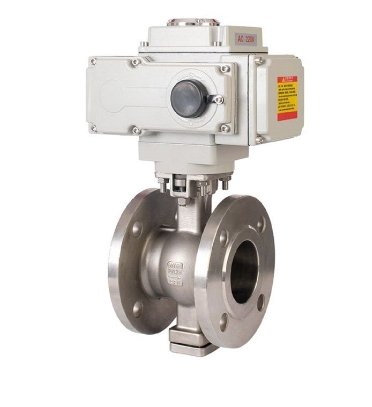
What is an electric ball valve? How does an electric ball valve work?
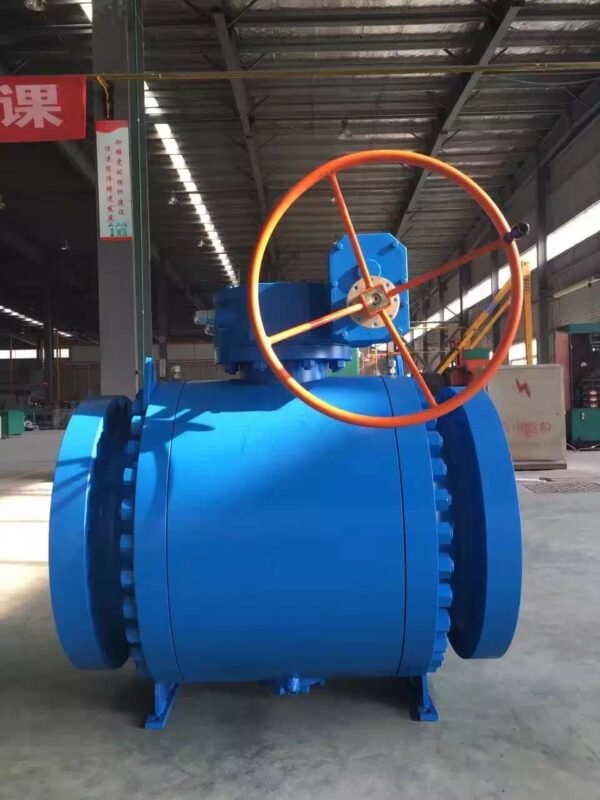
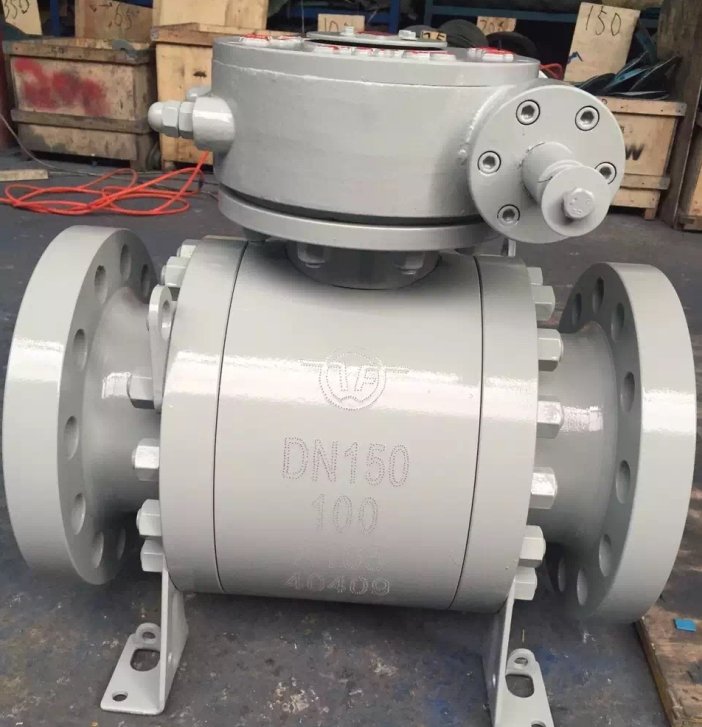
An electric ball valve is a commonly used device for controlling the flow of media. It consists of a valve body, valve core, valve seat, میل سوپاپ, and electric control device. It can be used to control the flow of various media, such as water, روغن, and gas, and can be used in various industrial applications, such as petroleum, chemical, power, metallurgy, mining, thermal power, hot water, and air conditioning.
The working principle of an electric ball valve is as follows: when the electric control device controls the valve stem, the valve stem pushes the valve core, and the valve core moves on the valve seat. When the valve core moves to a certain position, the flow rate of the medium is controlled, thereby achieving the purpose of controlling the flow rate of the medium.
In conclusion, electric ball valves are a commonly used device for controlling media flow. They feature flexible operation, continuous regulation, remote control, automatic control, safe and reliable control, high control precision, simple installation and maintenance, and good wear resistance, making them widely applicable in various industrial settings.
Secondly, electric ball valves offer high control precision, enabling accurate control to meet diverse control requirements.
Furthermore, electric ball valves are relatively simple to install and maintain. Their simple structure facilitates installation and maintenance, saving time and costs.
Finally, electric ball valves exhibit good wear resistance, meeting various operating conditions and extending their service life.