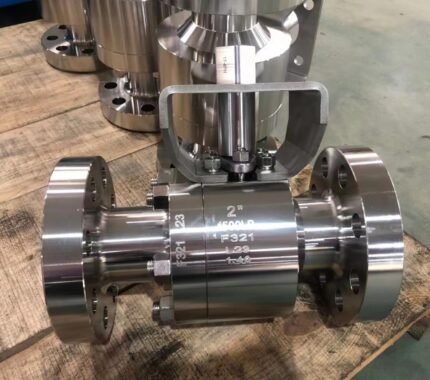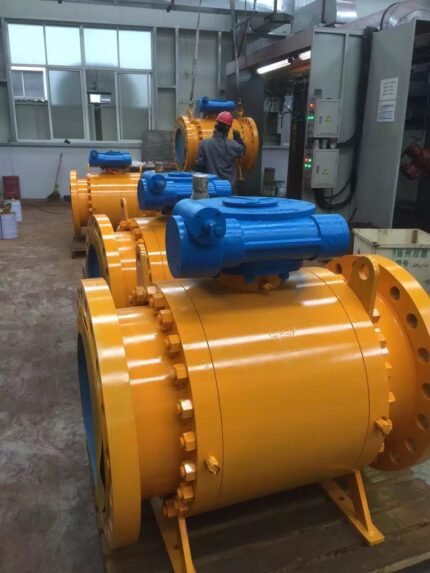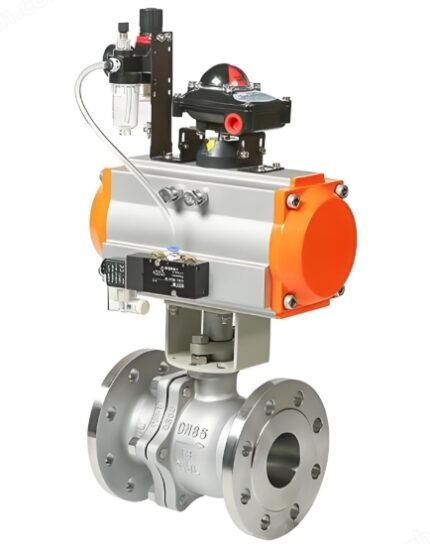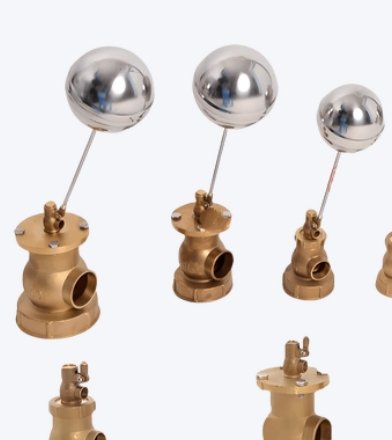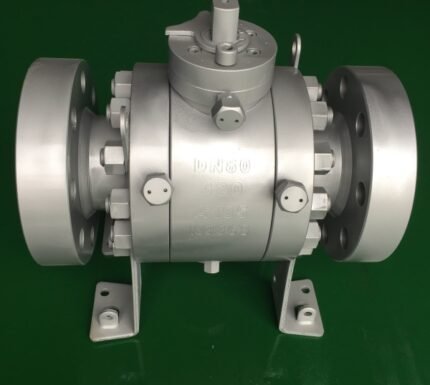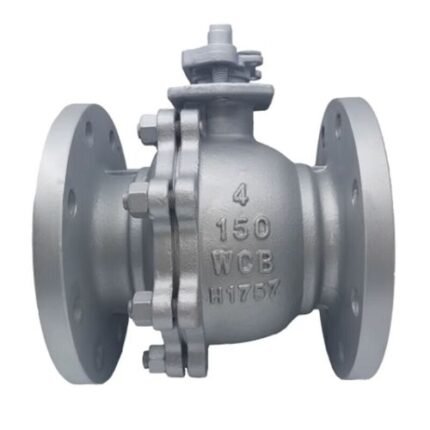
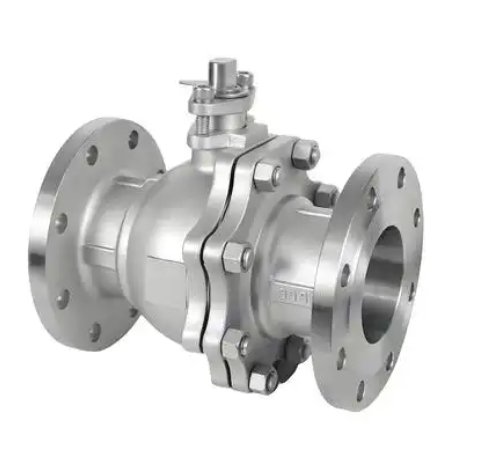
美标Q41F手动法兰球阀, 由不锈钢和碳钢制成.
The Q41F manual flange ball valve is mainly used to cut off or connect the medium, and can also be used for fluid regulation and control. Compared with other valves, ball valves have the following advantages: 1. Low fluid resistance: Ball valves have the lowest fluid resistance of all valve types; even reduced-bore ball valves have very low fluid resistance. 2. Quick and convenient opening and closing: A 90° rotation of the valve stem completes the fully open or fully closed action, easily achieving rapid opening and closing. 3. Good sealing performance: The ball valve seat seal ring is generally made of elastic materials such as PTFE, which easily ensures a seal, and the sealing force of the ball valve increases with the increase of the medium pressure.
Product Name: Manual Flanged Ball Valve
Product Model: Q41F
Nominal Diameter: DN15~DN800
Structure Type: Spherical
Nominal Pressure: 1.6Mpa~32.0Mpa
Connection Method: Internal Thread, External Thread, Flange, Wafer, Welded, Compression Fitting
Applicable Temperature: ≤550ºC
Actuation Method: 手动的
Valve Body Material: Cast Steel, Carbon Steel, Forged Steel, Stainless Steel
Manufacturing Standard: 国标 (Chinese National Standard), 从 (German Standard), 应用程序编程接口 (American Standard), ANSI (American Standard)
Applicable Media: Water, Oil, Gas, Liquid
Manufacturer: 浙江科三阀门有限公司, 有限公司.
美标Q41F手动法兰球阀, 由不锈钢和碳钢制成. Application Features
The Q41F manual flange ball valve is mainly used for cutting off or connecting media, and can also be used for fluid regulation and control. Compared with other valve types, ball valves have the following advantages:
1. Low fluid resistance: Ball valves have the lowest fluid resistance of all valve types; even reduced-bore ball valves have relatively low fluid resistance.
2. Quick and convenient opening and closing: A 90° rotation of the valve stem completes the fully open or fully closed action, easily achieving rapid opening and closing.
3. Good sealing performance: The ball valve seat seal ring is generally made of elastic materials such as PTFE, which easily ensures a seal. Furthermore, the sealing force of the ball valve increases with the increase of media pressure.
4. Reliable stem seal: During the opening and closing of the ball valve, the valve stem only rotates, therefore the stem packing seal is not easily damaged, and the sealing force of the stem back seal increases with the increase of media pressure.
5. Ball valves only require a 90° rotation to open and close, making them easy to automate and control remotely. Ball valves can be equipped with pneumatic, 电的, hydraulic, pneumatic-hydraulic, or electro-hydraulic actuators.
6. Ball valve passages are smooth and flat, preventing media accumulation and allowing for pipeline ball passage.
Performance Specifications
Design and Manufacturing
Structural Length
Flange Dimensions
Pressure-Temperature
Testing-Inspection
GB122237
GB12221
GB9113
JB79
GB9131
GB/T13927
JB/T9092
Manual Flanged Ball Valve Pressure Test
Nominal Pressure: 1.6 2.5 4.0
Strength Test: 2.4 3.8 6.0
Water Seal Test: 1.8 2.8 4.4
Air Seal Test: 0.4-0.7
Manual Flanged Ball Valve Component Materials
Valve Body: ZG1Cr18Ni9Ti CF8 CF3 ZG1Cr18Ni12Mo2Ti CF8M CF3M
Ball Stem: 1Cr18Ni9Ti 304 304L 1Cr18Ni12Mo2Ti 316 316L
Seat: PTFE, PTFE+Glass, PPL
Shim: PTFE, Stainless Steel/Flexible Tooth Profile Gasket
Steel Seat
PTFE (Stainless Steel/Flexible Graphite)
Packing
PTFE (Enhanced Flexible Graphite)
Gland
1Cr18Ni9Ti 304 304L 1Cr18Ni12Mo2Ti 316 316L
Temperature
-29℃~150℃ (PTFE)
-29℃~200℃ (Glass Fiber Reinforced PTFE)
-29℃~300℃ (PPL)
-29℃~550℃ (Metal Hard Seal)
Media
Water vapor
Oil
Nitric acid
Strong oxidizing medium
Acetic acid
Urea